

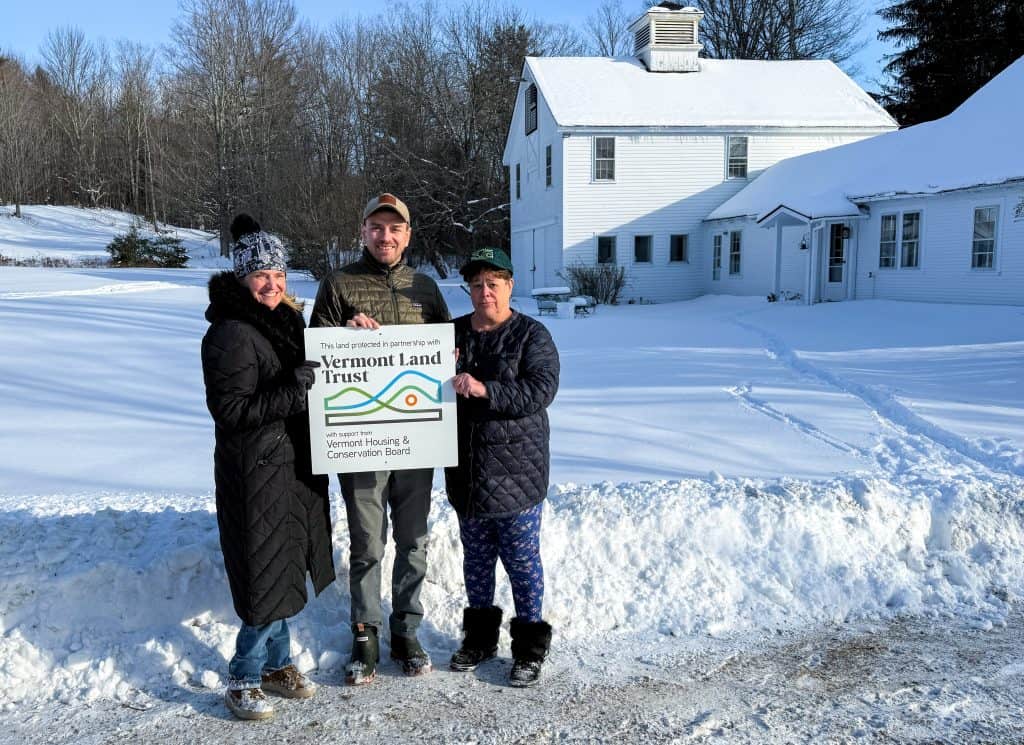
Vermont Adaptive Ski & Sports has purchased more than 125 acres of land in Rochester and conserved the property with the Vermont Land Trust (VLT). The land will become Vermont Adaptive’s first owned outdoor education and retreat center, officials announced this week.
The sale, which closed Dec. 15, 2025, was completed in partnership with VLT and with acquisition funding from the Vermont Housing & Conservation Board (VHCB). The property will be permanently protected under a conservation easement held by VLT and VHCB.
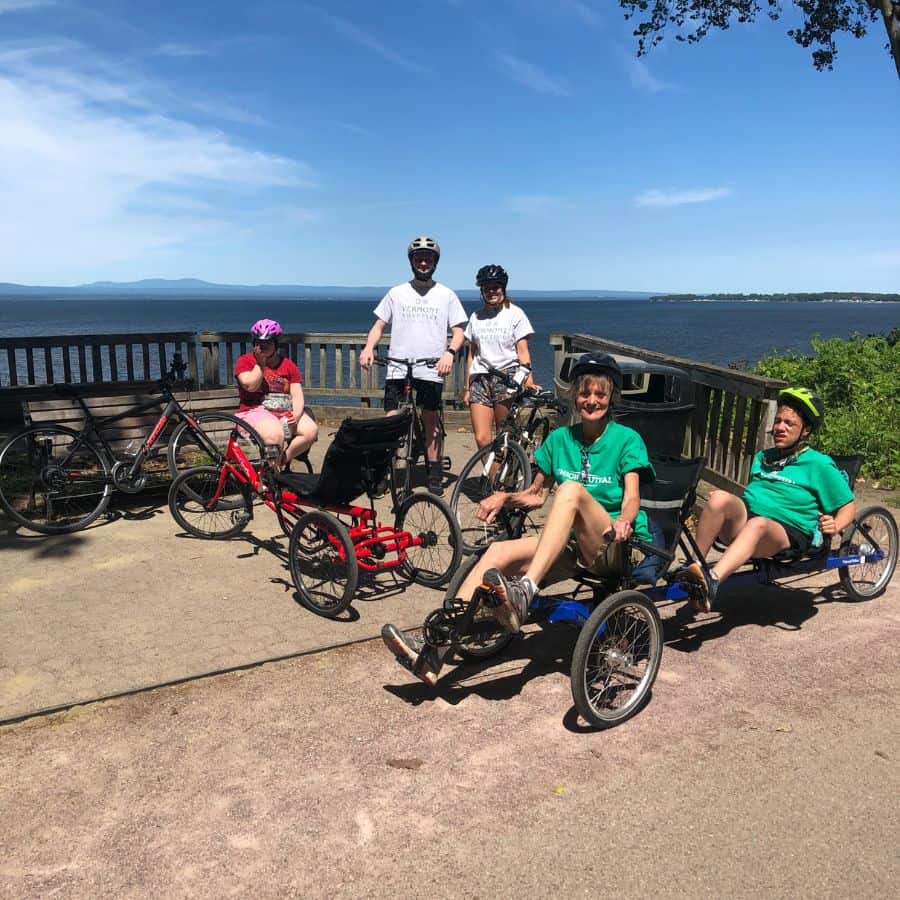
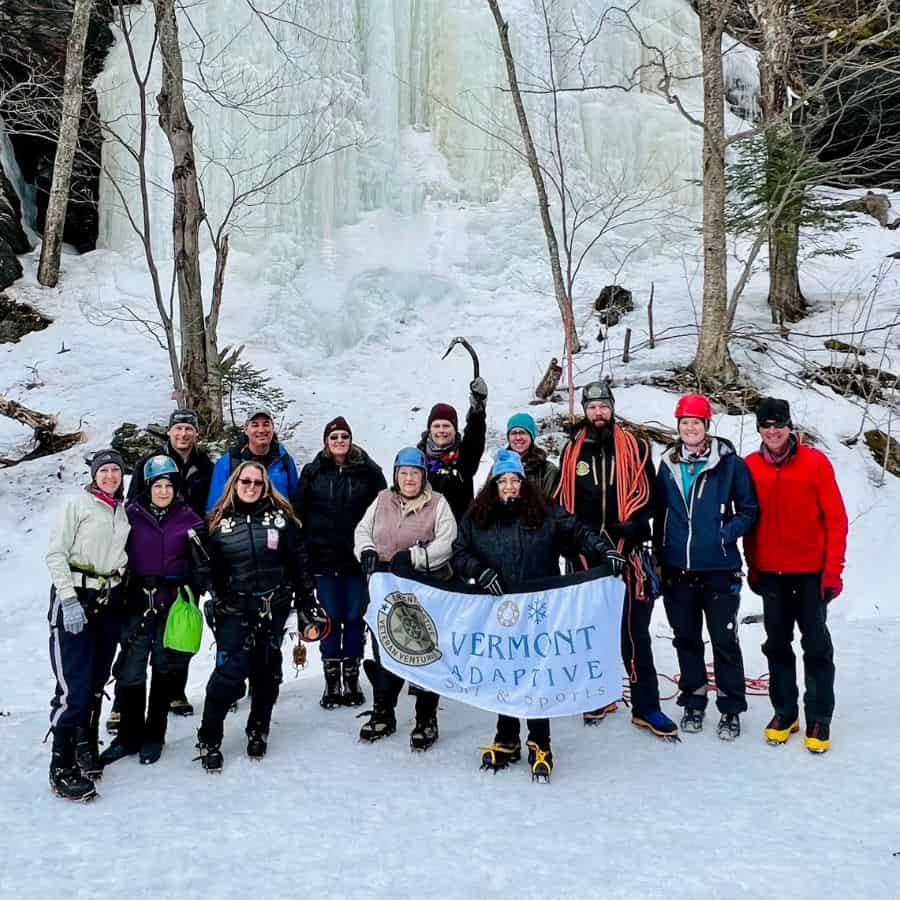
The property — now known as the Vermont Adaptive Outdoor Center — includes a historic farmhouse, garage and barn, forestland, open fields, a pond, and access to an established trail network connected to the Ridgeline Outdoor Collective’s multi-use Rochester Valley Network, as well as the larger Velomont Trail system. Vermont Adaptive plans to use the land for multi-day retreats for Veterans with disabilities, adaptive sports and wellness programming for all ages, intern housing, and public recreation.
“This property gives us something we’ve never had before — a permanent home we can shape around whole health, community, accessibility, mindfulness, and time spent outdoors,” said Erin Fernandez, executive director of Vermont Adaptive. “It allows us to expand Veteran programming, support our staff and interns, and offer a place where we can develop programming so people can slow down and stay awhile.”
“We’re proud to work with Vermont Adaptive to protect public access, safeguard the land, and support programs that help people experience nature in ways that work for them,” said Tracy Zschau, president and CEO of the Vermont Land Trust. “Opening up the land so people can experience nature and the outdoors is a powerful way to connect people to land.”
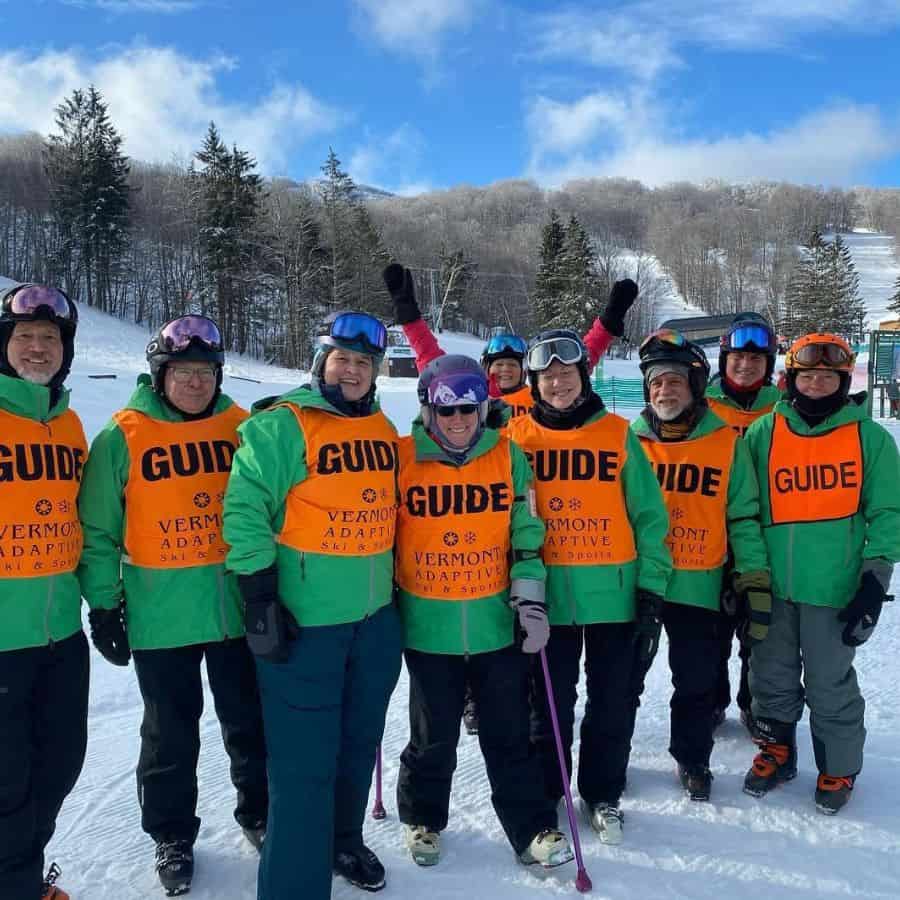
The Rochester property marks Vermont Adaptive’s first land ownership in its nearly 40-year history. While the organization built and operates permanent adaptive facilities at Pico Mountain in Killington and Sugarbush Resort in Waitsfield, and partners with ski resorts and recreation providers statewide, the Rochester site will serve as its first land ownership and stand-alone outdoor center under full organizational control.
The project grew out of Vermont Adaptive’s long-term goal to expand multi-day programming, particularly for Veterans, and a growing need for affordable intern housing. Northern Border Regional Commission will support Vermont Adaptive through Phase One of the center’s development.
The land was purchased from the George Dean Martin and Mary Ann Martin Trust. Members of the Martin family have owned and stewarded the property since 1989 and were part of VLT’s earlier conservation efforts in the Rochester Valley that helped protect more than 1,500 acres of surrounding forest and farmland.
Under the conservation easement, the land will remain intact and open for public recreation, while designating an area around existing buildings for future program development for Vermont Adaptive. Trails already managed by the Ridgeline Outdoor Collective will remain public, securing access in an area where public recreation has historically depended on the generosity of private landowners.
Planned improvements include renovations to the farmhouse for lodging and program use, construction of accessible bathrooms, installation of yurts and camping platforms, and upgrades to paths, utilities, and gathering areas. Vermont Adaptive will also develop outdoor spaces for wellness programming, reflection, and education, including accessible routes to the pond, trailhead connections, a zen garden, and more.
“This project brings together so much of what matters at VHCB: conservation, accessibility, and community,” said Gus Seelig, executive director of the Vermont Housing & Conservation Board. “We thank Vermont Adaptive for creating a great program and this opportunity to provide a place of belonging for Veterans with disabilities and the people they serve through their adaptive programs.”
Officials said the center is expected to support Rochester’s growing outdoor recreation economy while protecting natural resources, including mature stands of sugar maple, white pine, and hemlock, as well as wetlands and headwater streams that feed the White River watershed.
A ribbon-cutting event is planned for spring 2026. More information and photos can be found at www.vermontadaptive.org/outdoorcenter/.